 Concrete contractors · Champaign, IL
Professional concrete work in Champaign, Urbana, Savoy, and Mahomet. We understand the local soil and weather conditions that affect your concrete.
Get my free quoteChampaign sits on clay-heavy soil that expands when wet and shrinks when dry. That puts steady pressure on concrete slabs, driveways, and foundations through every season. The dominant soil types here are Drummer silty clay loam and Flanagan silt loam, both poorly to somewhat poorly drained. That means water sits longer against your concrete instead of draining away quickly, which matters when temperatures drop.
Central Illinois winters cross the freezing point dozens of times between November and March. Every freeze-thaw cycle pushes water deeper into small cracks, expands it, and makes those cracks larger. Over a few years, that turns hairline surface cracks into real structural problems. Proper base prep, correct depth, and the right concrete mix make the difference between a driveway that lasts fifteen years and one that lasts thirty.
We work throughout Champaign County, from older neighborhoods near campus with homes built in the 1920s and 1950s to newer subdivisions in southwest Champaign and Savoy where homes went up in the 2000s and 2010s. Different housing ages mean different foundation styles, different existing concrete conditions, and different approaches to matching or replacing what is already there.
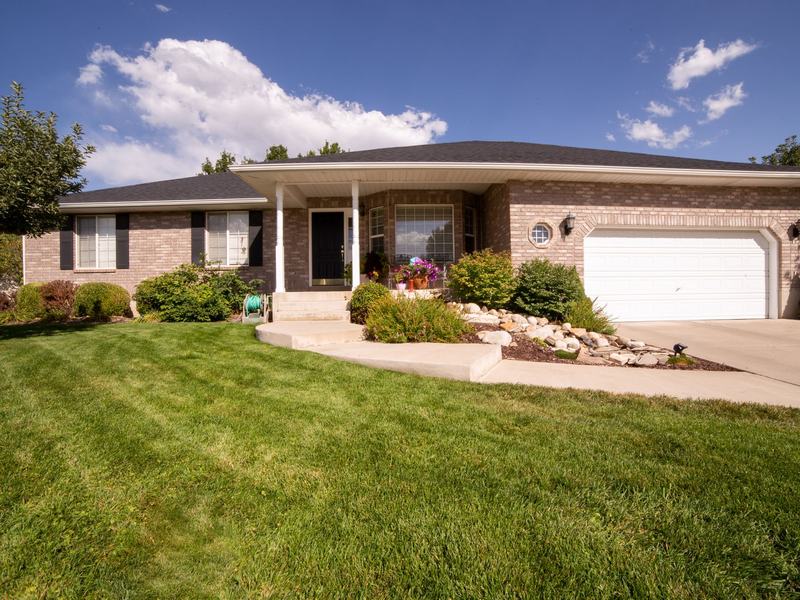
New driveways poured with proper base prep for clay soil and enough depth to handle freeze-thaw cycles. We also replace sections of existing driveways that have cracked or settled, matching the thickness and finish of what is already there.
Poured patios, sidewalks, and front walkways with control joints placed to manage cracking. We work with your yard grade and drainage so water moves away from the house instead of pooling against the foundation.
Garage slabs poured level with proper slope toward the door for drainage. We remove old cracked slabs when needed and prepare the base correctly so the new floor stays flat and stable.
Front steps, back stoops, and basement stairwell walls poured to match existing dimensions or built new where old steps have settled. We tie new concrete into existing foundations when possible.
Crack repair, partial foundation replacement, and new pours for room additions or garage foundations. We know how local clay soil moves and how to build foundations that handle it.
Removal and disposal of old driveways, patios, sidewalks, and slabs. We break up the concrete, haul it off, and grade the area so it is ready for whatever comes next.
Clay-heavy soil that expands and contracts with moisture, paired with winters that freeze and thaw repeatedly, puts specific stress on concrete. We prepare bases and pour slabs that account for those conditions instead of treating every job the same.
We measure the job, explain what needs to be done, and give you a clear price before we start. If we run into something unexpected during demo or base prep, we talk to you before adding costs.
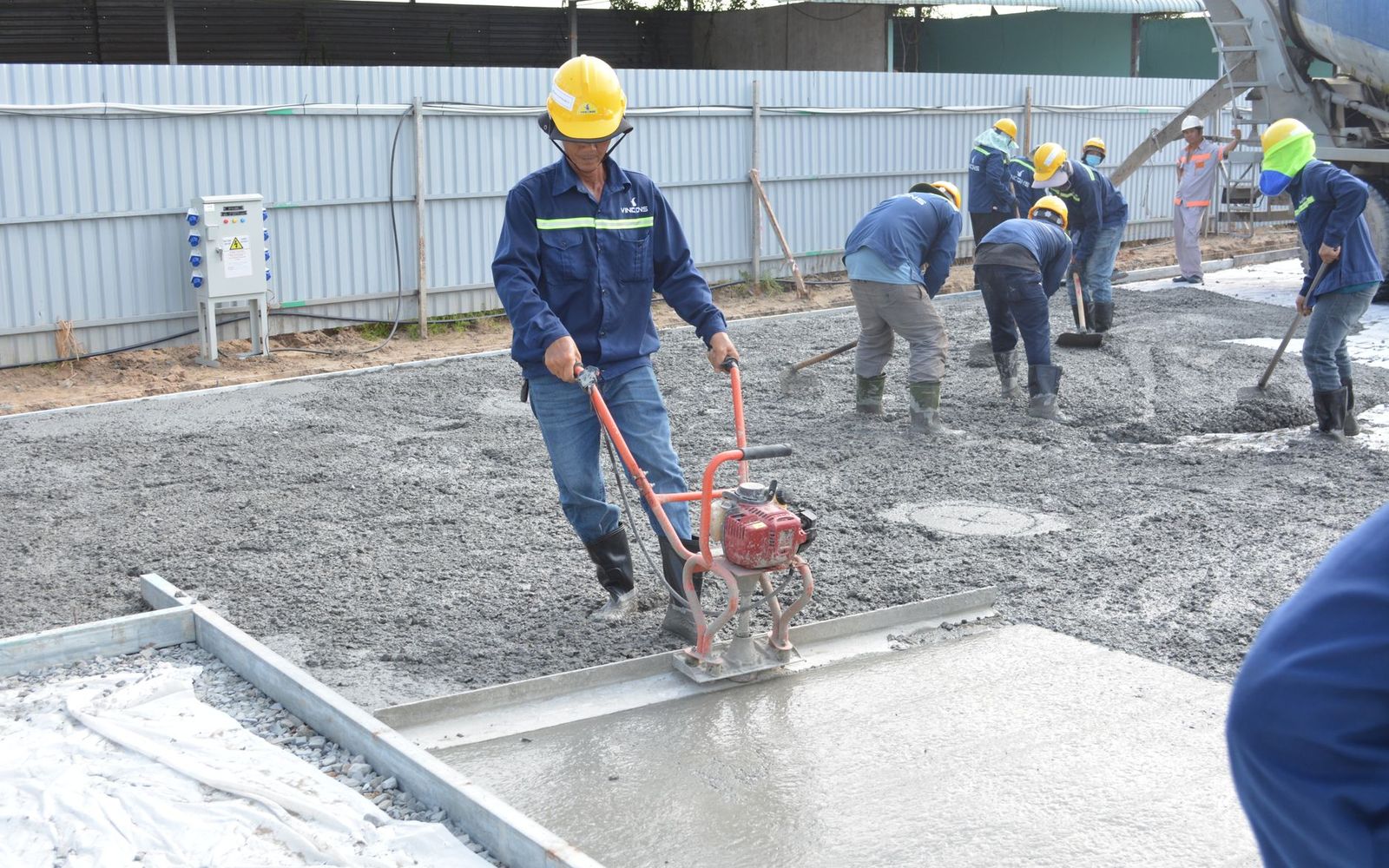
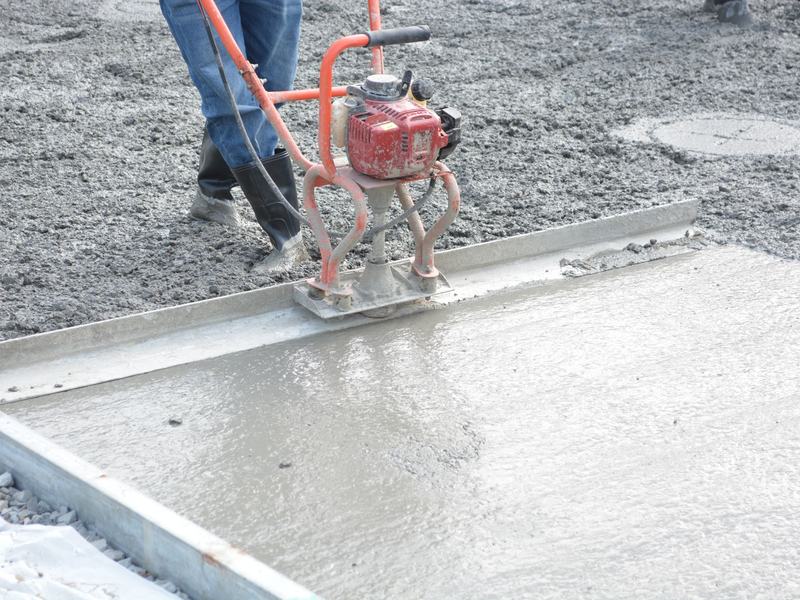
The people pouring your concrete have done this work for years in Champaign County. They know how to read soil conditions, set forms level, and finish concrete so it looks right and holds up.
Concrete work makes a mess. We haul off broken concrete, extra dirt, and scraps when we finish. Your yard gets left clean, not full of piles you have to deal with later.
Champaign County sits on flat prairie land with poorly drained clay soils. The dominant soil type is Drummer silty clay loam, which holds water instead of draining quickly. That creates ongoing moisture pressure against concrete slabs and foundations. Add in the seasonal swing from summer heat to winter cold, and you get soil that expands when wet in spring and contracts when dry in late summer. That movement puts stress on anything resting on it. Proper base prep with compacted gravel helps, but you still need to account for soil movement when setting forms and placing control joints.
Central Illinois winters bring repeated freeze-thaw cycles, often swinging above and below freezing dozens of times between November and March. Water that seeps into small cracks freezes, expands, and makes those cracks wider with every cycle. Older neighborhoods near the University of Illinois campus have homes built in the 1910s through 1950s, many with original driveways and sidewalks that have weathered decades of this cycle. Newer subdivisions in southwest Champaign and Savoy have homes from the 1990s through 2010s, but even newer concrete needs proper thickness, reinforcement, and joint placement to handle the local climate. The City of Champaign requires permits for most concrete work, and inspections check that bases are prepared correctly and pours meet code depth and strength requirements.
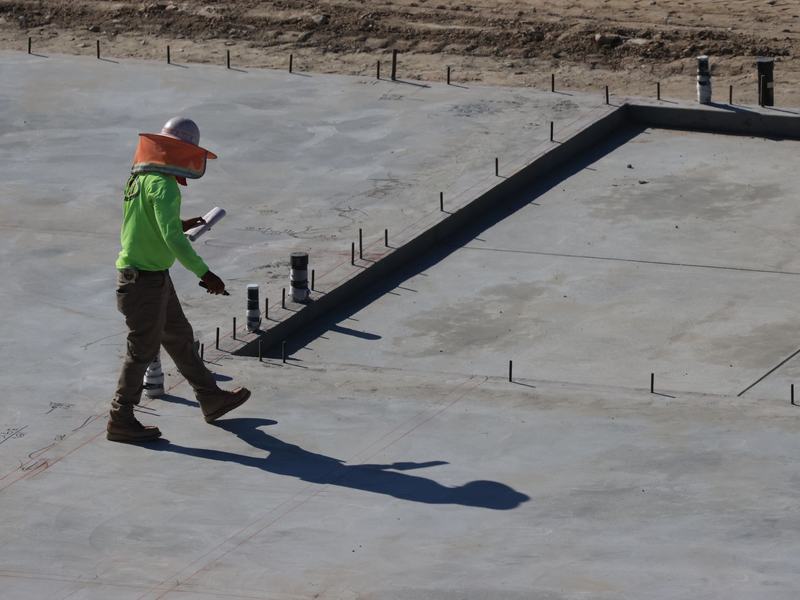

A typical residential driveway in Champaign runs between $6 and $10 per square foot depending on thickness, base prep, and finish. A standard two-car driveway is often in the $3,500 to $6,500 range. Patios typically cost $7 to $12 per square foot for a basic broom finish, with stamped or colored concrete adding $3 to $6 per square foot. Sidewalk replacement runs $8 to $14 per square foot, and garage floors are usually $5 to $8 per square foot. Prices go up when we need to remove old concrete, improve drainage, or dig deeper because of poor soil conditions. Jobs in older neighborhoods near campus sometimes cost more because of tight access, mature tree roots, or existing utility lines that require careful work. We give you a written estimate after looking at your specific site so you know what to expect.
Based around Champaign, IL, we also take jobs in these nearby towns. Put your town on the form and we will tell you right away if we can help.
Most residential driveways here are poured at four inches thick for regular vehicles, six inches if you park heavier trucks or RVs. The clay soil and freeze-thaw cycles we get in Champaign mean you need proper thickness and a well-compacted gravel base underneath to prevent cracking and settling.
You can walk on it after about 24 to 48 hours in warm weather. Wait at least seven days before driving on it, longer if temperatures are cool. Concrete keeps getting stronger for weeks after it is poured, so the longer you can wait the better.
The City of Champaign requires permits for most concrete work including driveways, patios, sidewalks, and any foundation work. We can help you figure out what is needed and handle the permit process as part of the job.
All concrete cracks as it cures and as temperatures change. That is why we cut or form control joints into driveways and patios, to control where those cracks happen so they follow straight lines instead of wandering across the slab. Clay soil movement in Champaign adds extra stress, so joint placement matters even more here.
New concrete starts out lighter than old weathered concrete, so a perfect match right away is not realistic. It will darken and weather over the first year or two. If you want a closer match from the start, we can add color to the mix, but expect some variation.
Late spring through early fall works best in Champaign. We avoid pouring when temperatures drop below 40 degrees at night or when heavy rain is forecast. Concrete needs time to cure properly, and cold or wet conditions make that harder.
Tell us what you need and where. We usually reply within one business day. A photo helps us give you a faster, more accurate quote.
No obligation and no pressure.
 CHAMPAIGN